
Privacy Fence vs Picket Fence: How to Choose Wood Fence Styles for Knoxville Homes
If you are weighing a privacy fence against a picket fence for your Knoxville yard, the decision usually comes down to three things: what you need the fence to do, what your lot looks like, and what code or your HOA requires. This guide walks through the choice step by step, with special attention to pool enclosures, because the privacy fence and picket fence question—what pool fence style works best—gets a lot more serious when a swimming pool and an inspection deadline are involved.
Both styles are built from the same basic parts: posts set in the ground, horizontal rails, and vertical wood fence pickets. The difference is in picket spacing, height, and how the fence handles sight lines, safety, and East Tennessee weather. Work through the steps below in order and you will land on the right style before anyone digs a post hole.
Step 1: Define the Job the Fence Has to Do
Start by writing down why you want the fence, in one sentence. The answer points directly at a style.
- Keep a child or grandchild away from a pool: You need a code-compliant barrier with a self-closing, self-latching pool gate. Height, picket spacing, and latch placement are dictated by code, not taste.
- Block the view from neighbors or the street: You need a privacy fence, usually six feet tall with pickets set tight together or overlapped.
- Mark the property line and keep a dog in: A picket fence or spaced-picket fence at four feet often does the job at lower cost.
- Secure a shared amenity like a community pool or dog park: Property managers usually need a mix: code compliance at the pool, durability at the perimeter, and a style the board will approve.
Suppose a Knoxville homeowner just had a home inspection flag the pool area because the existing fence has wide gaps and a gate that swings freely. In that scenario, the style question is already half answered. The fence around the pool must meet barrier code first; privacy and looks come second. Everything else in this guide should be read through that lens.
Step 2: Compare Privacy Fence and Picket Fence Designs Side by Side
A privacy fence and a picket fence differ in height, spacing, and sight lines, and those differences drive cost, code compliance, and maintenance. A privacy fence runs taller with closed pickets; a picket fence runs shorter with gaps between boards. Neither is better in the abstract; each fits a different job.
What a Privacy Fence Style Offers
A standard wood privacy fence is usually six feet tall with pickets butted edge to edge on a flat face. Upgraded versions include board-on-board, where pickets overlap so no gap ever opens as the wood dries, and shadow box, where pickets alternate on each side of the rails. Those custom styles need more wood fence pickets per foot of fence line, so both material and labor costs climb compared to a flat-face build.
Privacy fences block sight lines completely, cut wind and road noise somewhat, and create a backyard that feels enclosed. For a pool, a solid privacy fence also removes the ladder effect that spaced boards can create, as long as the structural rails face the right direction. More on that in Step 4.
What a Picket Fence Style Provides
A classic picket fence stands three to four feet tall with gaps between boards. It defines the yard, contains small dogs, and keeps the open, traditional look many older in-town Knoxville neighborhoods and HOA front-yard rules favor. It uses less lumber, so it costs less per foot than a privacy build of the same length.
However, a short spaced-picket fence rarely satisfies pool barrier requirements on its own. If the pickets are spaced too far apart or the fence is too short, it will fail inspection. Verify the specific height and gap limits with your local codes office before you order material.
Cost Difference Between Pool Fence Styles
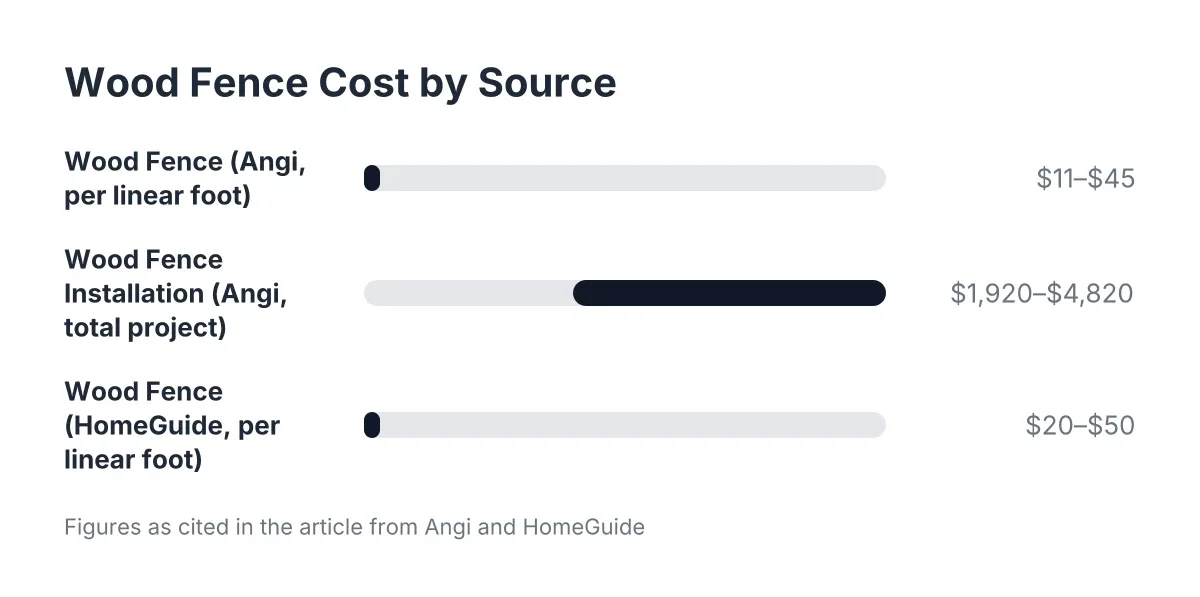
Picket fence vs privacy fence cost comes down to lumber volume and labor hours. According to Angi, wood fencing runs about $11 to $45 per linear foot professionally installed, and a wood fence installation project averages $1,920 to $4,820 overall. HomeGuide puts wood fences at $20 to $50 per linear foot. Picket styles sit toward the low end of those ranges; tall privacy builds, and especially board-on-board or shadow box designs, sit toward the high end because they genuinely use more material and take longer to build.
One upgrade that costs labor skill but no extra lumber: a scalloped top cut, which can be applied to a straight privacy fence, shadow box, or board-on-board design if you want a softer line along the top.
Step 3: Check Knoxville Code, Pool Barrier Rules, and HOA Requirements
Before you commit to a style, confirm three things in writing: whether you need a permit, what the pool barrier code requires, and what your HOA allows. In Knoxville and surrounding East Tennessee communities, pool barriers typically must meet minimum height requirements, limit gaps a child could squeeze through or climb, and include a self-closing, self-latching pool gate that opens away from the pool.
Do not guess at these numbers. Call your local codes or permitting office, or ask a local fencing contractor who installs swimming pool fence and pool gate work regularly, and get the current 2026 requirements for your address. If an inspection deadline is driving the project, say so up front; the inspector's checklist is the spec sheet your fence has to match.
For HOA boards and property managers, add a fourth item: your own governing documents. Many communities regulate fence height, style, and which side faces out. If you manage a shared pool amenity, the barrier code applies to the community fence the same way it applies to a backyard pool, and board approval timelines should be built into the project schedule before any bid goes out.
Step 4: Decide Which Way the Pickets Face
This step trips up more homeowners than any other. On a stockade-style privacy fence, the finished picket side normally faces the neighbor or the street, and the rail side faces your own yard. Many homeowners want the pretty side facing in. Around a pool, that preference can fail inspection, because horizontal rails facing the pool side act as a ladder a child can climb.
Therefore, if the fence encloses a pool, plan for the smooth picket face on the side a child would approach from. If that conflicts with how you want the yard to look, discuss alternatives with your installer, such as a design without climbable exterior rails. This is one decision worth settling before material is ordered, because reversing it later means rebuilding sections.
Step 5: Plan the Layout for Slopes, Corners, and Gates
Knoxville lots are rarely flat. Foothill slopes force a choice between stepped panels, which hold a level top line but open triangular gaps at the bottom, and racked construction, which follows the grade. For a pool enclosure, gaps under the fence matter; a racked or custom-cut build usually controls the bottom gap better on a slope.
Plan corners and short runs too. Where a full panel will not fit at a corner or the end of a run, a good installer measures the gap, cuts a section to size, and places a picket at the corner to hide the cut edge. On jobs that mix full and cut sections, the cut sections belong in the least visible stretch of the yard, with full panels facing the street or patio.
Gates deserve their own line in the plan. Every pool gate must self-close and self-latch, and gate hardware takes more abuse than any other part of the fence, especially through freeze-thaw winters and heavy spring rain that swell and shrink wood. Specify the gate count, widths, swing direction, and latch type before you sign anything.
Step 6: Decide Between DIY and Hiring a Fence Installation Pro
A confident homeowner can build a short decorative picket fence on flat ground with rented tools and a free weekend or two. The math changes fast for privacy builds and pool enclosures. Knoxville's clay and rocky soil makes post digging slow and inconsistent, posts must be set deep and plumb to survive freeze-thaw cycles, and a pool barrier that misses one code detail fails inspection and has to be reworked.
Call a professional when any of these apply:
- The fence encloses a pool or must pass a code inspection on a deadline.
- The lot slopes enough that panel lines or bottom gaps become a layout problem.
- You hit rock or dense clay in test holes and cannot get consistent post depth.
- The project involves gate installation with self-latching hardware that has to work every single time.
- You manage an HOA or commercial property where the work needs documentation for the board, insurer, or inspector.
Searching for fence installation near me will surface plenty of options; Step 7 covers how to sort them.
Step 7: Get Quotes and Ask the Right Questions
A fair quote for either style should itemize the fence line length, post size and setting method, picket material and style, gate count and hardware, haul-away of old fencing, and who handles utility locates. Vague per-job pricing with no breakdown makes bids impossible to compare, which matters whether you are one homeowner or a property manager collecting three bids for a board vote.
Ask every fence company these three questions:
- For pool work: Which barrier code requirements will this fence meet, and will you install a self-closing, self-latching pool gate that passes inspection? A company that hesitates here is the wrong fit for a pool project.
- For ground conditions: How do you set posts in clay and rocky soil, and how do you handle slopes on this lot specifically? Listen for a site-specific answer, not a generic one.
- For the style decision: What is the price difference between a flat-face privacy fence and board-on-board or shadow box here, in writing? Custom styles cost more for real reasons; you should see exactly how much.
On timeline, most residential wood fence projects take a few days of on-site work once material arrives and utility lines are marked, though permits, HOA approval, weather, and rocky digging can stretch the schedule. If an inspection deadline is in play, tell every bidder the date and get their realistic schedule in writing.
Step 8: Lock In Maintenance Expectations Before You Build
Wood needs upkeep that vinyl and aluminum do not. Plan to seal or stain the fence on a regular cycle, watch gate hinges and latches each season, and check posts after wet winters. A privacy fence has more surface area to maintain than a picket fence of the same length, so factor that into the privacy fence and picket fence decision, not just the install price. HomeGuide notes that higher upkeep costs can make wood more expensive than vinyl over the long run, even though wood is cheaper upfront.
For a pool enclosure specifically, maintenance is a safety task, not just a cosmetic one. A self-latching gate that sticks in August humidity or sags after a freeze is a compliance failure waiting for the next inspection, or worse, a gap a toddler finds first. Test the gate monthly and fix drag or latch misalignment immediately; small fence repair now beats a failed barrier later.
The Bottom Line for Knoxville Yards
Choose a picket fence when the job is boundary, curb appeal, and containment on a budget. Choose a privacy fence when the job is sight lines, security, or a pool barrier that has to pass inspection, and accept that taller builds and custom styles cost more because they use more material and labor. Either way, confirm code and HOA rules first, settle picket direction and gate hardware before ordering lumber, and hire out any build where a slope, rocky soil, or an inspection deadline raises the stakes.
If you are working against a pool inspection date or planning a community fence project in the Knoxville area, Knoxville Fence Builders can walk the property, explain the cost factors for each style, and put together a free quote built around your deadline and your lot's actual ground conditions.
If you need wood fence installation, Knoxville Fence Builders can help.
Prefer to talk it through? Call (865) 419-3997 — a quick call is usually the fastest way to get a straight answer for your situation.